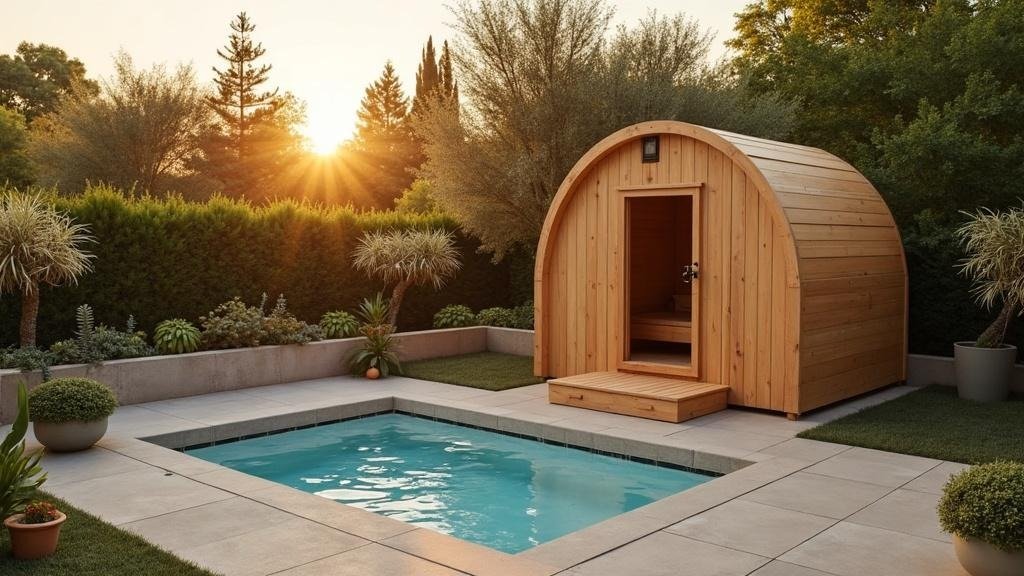
The cold plunge market shifted hard between 2023 and 2025. Prices dropped on ice-based tubs, chiller technology got more accessible, and a wave of new buyers burned by cheap imports pushed forums toward a clear consensus: the difference between a plunge you use daily and one gathering dust is almost always temperature control. Here is what that consensus looks like, brand by brand.
1. Plunge All-In
The one that shows up most in “what did you buy and why” threads. Plunge’s All-In unit sits in the $4,990 to $5,990 range and runs a built-in chiller capable of keeping water consistently cold without you buying bags of ice every morning. That last part matters more than specs. People who own chillers stick with the habit. People relying on ice mostly quit within a month. The All-In is weatherproof, filtered, and sized for outdoor decks without needing a dedicated equipment room. Plunge also sells a cedar sauna called the Plunge Sauna Mini at roughly $10,000 if you want to pair both.
2. Sweat Decks
Most online sellers ship a box and the relationship ends there. Sweat Decks works differently: design consultation before purchase, white-glove delivery and installation done by their own crews in Texas and California (with vetted contractors handling the rest of the country), and actual on-site service after the sale. That means someone comes back if something breaks rather than you filing a ticket and waiting. They carry saunas across every category including barrel, cube, infrared, and full-spectrum, plus cold plunges, steam equipment, wood-burning and electric heaters, outdoor showers, and accessories, which lets a rep match you to something that fits your space and budget instead of steering you toward the one model they stock. There is also a price-match guarantee. For buyers spending $5,000 or more and wanting the install handled correctly, that structure is genuinely hard to find elsewhere.
3. Sun Home Saunas Cold Plunge Pro
Sun Home’s chiller-equipped Cold Plunge Pro lands between $9,000 and $14,500 depending on configuration and reportedly reaches down to 32 degrees Fahrenheit. Coverage from Fortune and Forbes has put them in front of a mainstream audience. On the sauna side, their Luminar line uses full-spectrum infrared, which combines near, mid, and far wavelengths in one unit. Premium pricing, but the build quality justifies the conversation.
4. Ice Barrel
$1,150 to $1,500. No chiller, no pump, no filtration. Load it with water and ice, then climb in. That sounds limiting, and it is, but Ice Barrel has a real following among people who travel, rent, or simply want to test the habit before spending more. The upright barrel design means it takes up almost no floor space. Vertical submersion covers your shoulders in a way that some flat tubs do not. If you live somewhere cold enough to skip the ice most of the year, this becomes a surprisingly capable option.
See also: 5 Essential Soft Skills Every Future Engineer Needs to Master
5. nurecover
The most portable entry on this list. nurecover makes inflatable and collapsible cold therapy tubs aimed at people without a permanent outdoor setup. Prices stay well under $400 for the basic versions. No chiller, so you are managing temperature manually. The honest use case is apartment dwellers, travelers, and people in climates where cold tap water is already cold enough most of the year. It is not a permanent solution, but it is a real one for the right person.
6. HigherDOSE
HigherDOSE leans into aesthetics more than any brand here, and that is not a criticism. Their infrared sauna blankets and portable sauna units look good in small apartments and get used by people who would never install a traditional sauna. Design-forward positioning has helped them reach a fitness and wellness audience that would otherwise ignore this category entirely. The infrared blanket format is genuinely different from a cabin sauna and suits a different kind of routine.
7. Clearlight Saunas
Clearlight has been in the infrared space for a long time and competes directly with Sunlighten on premium cabin saunas. Their True Wave heater technology is a real differentiator they discuss openly, focused on low-EMF output. Buyers concerned about electromagnetic field exposure tend to compare these two brands head to head. Clearlight cabins are built for daily long-term use and priced accordingly.
8. Sunlighten
One of the brands that helped push infrared saunas into mainstream wellness conversations. Sunlighten offers a range of infrared options from solo units to full family-size cabins. They have a strong customer service reputation and a direct sales model that includes detailed consultation before purchase. Not cheap, but their pricing reflects what is inside the unit rather than a brand premium alone.
9. Almost Heaven Saunas
If traditional steam or dry heat is the goal and a $15,000 Finnish-style build is not, Almost Heaven is the name that comes up most. Their cedar barrel saunas run around $4,999 and sit outdoors. Wood construction, proper benches, a real heater. The barrel shape is not just aesthetic: it retains heat efficiently and the round interior holds temperature well during a session. These are the sweet spot for buyers who want a traditional experience without custom construction.
10. Dynamic Saunas
The entry point for infrared indoors. Dynamic Saunas makes budget-friendly infrared cabins available through major retailers, and while they are not the most feature-rich units on this list, they are widely reviewed and easy to find replacement parts for. For someone furnishing a basement or spare room on a limited budget, Dynamic is where most people start before they decide how seriously they want to take this.
How to Actually Decide
| Priority | Best fit |
| Daily cold plunge, no ice hassle | Plunge All-In |
| Full setup with install and support | Sweat Decks |
| Maximum cold temperature | Sun Home Cold Plunge Pro |
| Lowest upfront cost, outdoor tub | Ice Barrel |
| No permanent space, travel use | nurecover |
| Infrared, design matters | HigherDOSE |
| Traditional outdoor sauna, real wood | Almost Heaven |
| Premium infrared, EMF concern | Clearlight or Sunlighten |
| Budget indoor infrared | Dynamic Saunas |
One pattern holds across every forum thread and review roundup in this space: buyers who invest in temperature control (either a chiller for cold or a quality heater for heat) keep using their setup. Buyers who compromise there tend to stop. The unit you actually use every week is the right one.
Common Questions
Is the Plunge All-In worth the price difference over an Ice Barrel?
For most people who plan to plunge more than three times a week, yes. The All-In’s built-in chiller removes the daily ice cost and the friction of setup, and forum data consistently shows chiller owners maintain the habit longer. Ice Barrel makes sense if you are testing cold exposure before committing, or if your climate keeps tap water cold enough on its own.
Can nurecover actually hold cold temperatures long enough to be useful?
It depends entirely on your water source and ambient temperature. In cooler climates, cold tap water in a nurecover tub can stay usable for a single session without added ice. In a warm garage or on a summer patio, it warms up fast. The tub itself is not insulated in any meaningful way, so it is honest to call this a warm-weather limitation.
What makes Sweat Decks different from just buying a Plunge or Sun Home unit directly?
Sweat Decks is a dealer and installer, not a manufacturer. The difference is service structure. Buying direct from a brand gets you the product. Buying through Sweat Decks gets you site consultation, physical installation by their own crews or vetted contractors, and post-sale on-site service, which matters most when something needs fixing and you do not want to ship a 400-pound tub anywhere.
How does Sun Home’s 32-degree claim compare to what the Plunge All-In actually delivers?
Sun Home’s Cold Plunge Pro is spec’d to reach 32 degrees Fahrenheit, which is at or near freezing. The Plunge All-In is designed for consistent cold in a practical range rather than competing on minimum temperature. For most users the difference is academic, but competitive cold exposure athletes and those chasing the lowest possible water temperature tend to cite Sun Home’s specs when comparing the two.
Do Clearlight and Sunlighten actually differ in meaningful ways, or is the choice mostly personal?
Both are legitimate premium infrared brands with long track records. Clearlight’s publicly stated differentiator is their True Wave low-EMF heater technology, which they document in detail. Sunlighten emphasizes a broad product range and a consultative buying process. Buyers without a specific EMF concern often choose based on cabinet size options and which company’s sales rep answered their questions better.
Sources
- Plunge product pages and published pricing (public, 2024)
- Sun Home Saunas published spec sheets and media coverage via Fortune and Forbes
- Ice Barrel retail listings (multiple authorized dealers)
- Almost Heaven Saunas published MSRP
- Clearlight and Sunlighten brand websites (product claims and technology descriptions)
- HigherDOSE brand site and press coverage
- Dynamic Saunas retail presence on major e-commerce platforms
- nurecover product listings (UK and US retail)
- Community discussion aggregated from Reddit r/sauna, r/coldplunge, and Trustpilot review themes (no individual quotes attributed)