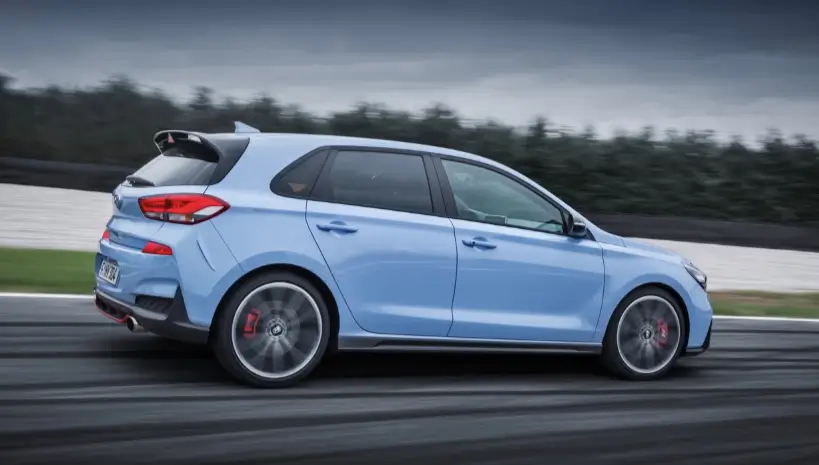
A modern sports coupe is judged first by its silhouette. The long bonnet, the low roof, the wide rear arches, and the short deck create one flowing outline, and any exterior change is immediately visible against it. That is why a body kit is a decision about proportion before it is a decision about parts. A well-chosen package can sharpen the stance, finish the lower body, and give the car a more purposeful presence. A poorly judged one can break the outline, add visual weight in the wrong places, and create practical problems that outlast the initial excitement.
The appeal is easy to understand. Owners want a car that feels personal, that looks considered from every angle, and that rewards a closer look at a meet or on a driveway. The risk is that enthusiasm for individual parts overtakes judgement about the whole car. A front lip chosen in isolation, a rear diffuser added months later, and side skirts selected without reference to either can leave a coupe looking assembled in stages. Planning the package as a whole, even if it is fitted in stages, is the simplest way to avoid that outcome.
Proportion, Stance, and the Lower Body Line
Proportion is the central idea in coupe styling. Because the cabin sits low and the roofline falls gently, the lower body carries much of the visual weight. A front splitter, side extensions, and a rear diffuser together define a continuous lower line that makes the car look planted without making it look heavy. When one element is much deeper or more aggressive than the others, the car can appear front-heavy, rear-heavy, or pinched in the middle, even when each part is well made on its own.
What a Complete Package Changes, Part by Part
A front component changes the leading edge of the car and the way the bumper meets the road. It can make the nose look wider and lower, but it is also the first part to meet kerbs, ramps, and road debris. A side component links the front and rear visually and can protect the sills, but it must follow the sill line without stepping in or out. A rear component frames the lower bumper and exhaust area, and it should sit neatly within the bumper shape without drawing attention away from the lights.
Compatibility, Model Years, and Factory Options
Compatibility is where many projects succeed or fail, because small differences in model year, trim, and factory options can change mounting points. Bumpers, grilles, lights, and lower valances can all vary during a production run, even when the car looks broadly similar. A part designed for one variant may not align correctly on another, and forcing it into place can create stress at the fixings, uneven gaps, or damage to the paint underneath.
When owners are comparing fitted examples and cross-model lessons, a listing such as a nissan 400z engine bay can be useful as a starting point for questions about fitment, finish, and supplier support, without assuming that one design will suit every model or every variant. Use those comparisons to refine a brief, then discuss it with a reputable fitter before ordering. Written compatibility confirmation, kept with invoices and fitting notes, protects the owner if a question arises later.
See also: 5 Essential Soft Skills Every Future Engineer Needs to Master
Fitting, Inspection, and Living With the Result
Professional fitting is often worthwhile for a full package, particularly for low front elements, wide side skirts, and rear parts that carry aerodynamic load. A skilled fitter can check panel gaps, secure fixings correctly, protect surrounding paint, and identify alignment problems before they become visible faults. After fitting, lights, sensors, cameras, and the boot or hatch should be tested in daylight and after dark before the car returns to daily use.
Frequently Asked Questions
1. Should a body kit be fitted all at once or in stages?
Either approach can work, provided the pairing is planned in advance. Record the exact material, finish, and weave details of the first part, and use them as the reference for later parts. Keep daylight photographs and share them with the supplier when ordering the next component. Staging can spread cost, but the second part must be chosen to match the first, or the car can look assembled in stages.
2. Will a body kit affect ground clearance and everyday driving?
Yes, usually, mainly through a lower front edge, deeper side elements, and a rear treatment that sits closer to the road. The impact is manageable if clearance is checked on familiar routes, including driveways, ramps, and car parks, and if steep entries are approached slowly and at an angle. Owners who regularly use rough roads should prioritise clearance and secure fixings over maximum visual impact.
3. How can fit quality be judged before committing?
See the same style fitted to a similar car in daylight, from several angles, and look for even panel gaps, flush edges, and consistent alignment with neighbouring panels. Poor fit is often visible at corners, where a lip meets the bumper or a diffuser meets the rear valance. A careful test fit on the owner’s own car, before final fixing, is the most reliable check of all.
Conclusion
A body kit works best when proportion comes first and individual parts second. By planning front, side, and rear as one idea, checking compatibility for the exact variant, insisting on secure fitting and a consistent finish, and considering clearance, sensors, and daily use, owners can add presence without losing elegance. The result should look intentional from a distance, feel secure at speed, and remain practical for the journeys the car was bought to make. When every part earns its place in the outline, the coupe gains a sharper, more personal character while keeping the balance that made it attractive in the first place.