Agile Development in Action focuses on delivering usable software through iterative work and collaboration. Teams translate a prioritized backlog into incremental milestones, guided by light forecasting and rapid feedback. Roles and ceremonies align effort, while cross-functional teams build trust and accountability. Daily standups, visual boards, and paired work keep momentum steady. The approach invites continuous improvement without losing autonomy. A practical path unfolds, inviting practitioners to test these ideas in their own contexts and see what adapts next.
What Agile Development Is and Why It Works
Agile development is a flexible, iterative approach that emphasizes delivering workable software in small, collaborative increments.
The method values stakeholder alignment and transparent risk management, encouraging shared understanding and deliberate adaptability.
Teams embrace feedback, align goals, and adjust priorities openly.
This creates empowered stakeholders, faster learning, and resilient delivery, as cross-functional collaboration reduces waste and builds trust through measurable progress and continuous improvement.
Iterative Planning: From Backlog to Working Software
Iterative planning translates a prioritized backlog into actionable milestones by pairing lightweight forecasting with frequent feedback loops.
The approach emphasizes collaborative refinement, where teams convert backlog prioritization into incremental deliverables and adjust directions through stakeholder feedback.
Flexibility remains central as learnings from each iteration shape upcoming work, aligning value delivery with evolving needs while preserving autonomy and collective ownership of the product.
Roles and Ceremonies That Align Teams
Effective collaboration emerges when teams establish shared roles and a predictable rhythm of ceremonies that support clarity, accountability, and rapid feedback. Roles and ceremonies align work through lightweight governance, fostering autonomy within a cross functional framework. Teams emphasize communication rituals, shared decision rights, and reflective cadences. This creates adaptive coordination, reduces handoffs, and sustains momentum while honoring diverse perspectives and individual initiative.
Concrete Practices You Can Start Today
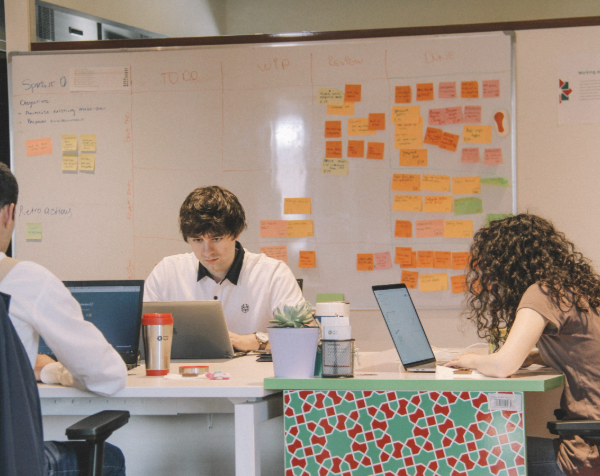
How can teams translate principles into action today? Concrete practices invite teams to experiment with lightweight rituals, continuous feedback, and collaborative planning. In a detached view, practitioners adopt small, reversible changes: daily standups, visual boards, and paired work. Emphasis on ethical considerations and remote collaboration guides decisions. The approach remains flexible, inclusive, and outcome-focused, balancing autonomy with shared accountability for learning and delivery.
Frequently Asked Questions
How Do You Measure True Customer Value in Agile?
True value is measured through customer metrics, balancing outcomes and learning; agile value emerges from iterative feedback, adaptation, and collaboration. Measurement frameworks guide teams, enabling freedom to experiment while aligning with stakeholder goals and sustainable improvements.
What Are the Biggest Anti-Patterns to Avoid?
The biggest anti-patterns to avoid include misaligned backlog, scope creep, and agile wastefulness. A collaborative, adaptive team facilitates clear prioritization, embraces freedom, and tensions-resolve early to keep value flowing without imposing rigid, wasteful processes.
How Do You Scale Agile Beyond a Small Team?
Like a kite catching wind, the organization scales agile by aligning teams through lightweight governance metrics, nurturing a scaling culture, and facilitative practices; leadership sponsors collaboration, while autonomous squads adapt, sharing learning and iterating across boundaries.
How Is Remote Collaboration Effectively Sustained Long-Term?
Remote culture sustains long-term collaboration by embracing asynchronous rituals, fostering cross team alignment, and prioritizing stakeholder engagement; teams adapt collaboratively, facilitate transparent decision-making, and honor autonomy, enabling freedom-loving contributors to stay connected and productive across distances.
See also: techcarz
What Tools Reliably Support Agile Governance and Compliance?
Authorities note that 78% of teams adopt governance tools to sustain scaling agile; reliable options include governance tools and compliance tools, aligning agile metrics with customer value measurement while avoiding anti patterns to avoid friction in remote collaboration long term.
Conclusion
In the village of Sprints, a river carves its own path by listening to every stone the current meets. The team, a circle of ferrymen, rows together, adjusting oars as markets murmur and storms loom. Backlogs become stepping stones; daily nods keep the bridge steady. With shared lanterns and open maps, they nudge toward usable shores—learning, adapting, delivering. Agile, in practice, is a tide that invites collaboration, making progress a shared horizon rather than a lone voyage.